Choosing the right security patrol company is one of the most important decisions a business owner can make, yet most people approach it the same way they would shop for any other service, comparing prices and moving on.
That approach leaves significant gaps. The company you bring in to protect your premises, your people, and your assets needs to meet a standard that goes well beyond cost.
This guide walks through what actually separates a reliable security provider from one that looks the part on paper but falls short when it matters.
Why Licensing and Accreditation Should Come First
Before anything else, verify that any company you are considering holds the proper licensing and accreditation. In the UK, all security companies and their officers must be regulated by the Security Industry Authority. Operating without SIA accreditation is not just unprofessional; it is illegal.
SIA accreditation means the company has met defined standards for training, vetting, and conduct. It gives you a baseline of assurance that you simply cannot get from an unlicensed provider, regardless of how persuasive their pitch might be.
When speaking to a potential provider, ask to see their licence details directly. A reputable, licensed security company will have no hesitation sharing this information. If there is any reluctance or vagueness, treat it as a red flag.
How to Identify the Right Security Patrol Company for Your Premises
Not every security provider offers the same type of coverage, and not every business needs the same solution. Understanding the difference between what various companies offer is key to making the right choice.
Static Guarding vs Mobile Patrol Coverage
Static guarding places a uniformed officer at a fixed point on your premises for the duration of a shift. It works well for high-footfall environments, access control at a single entry point, or sites that need a constant visible presence.
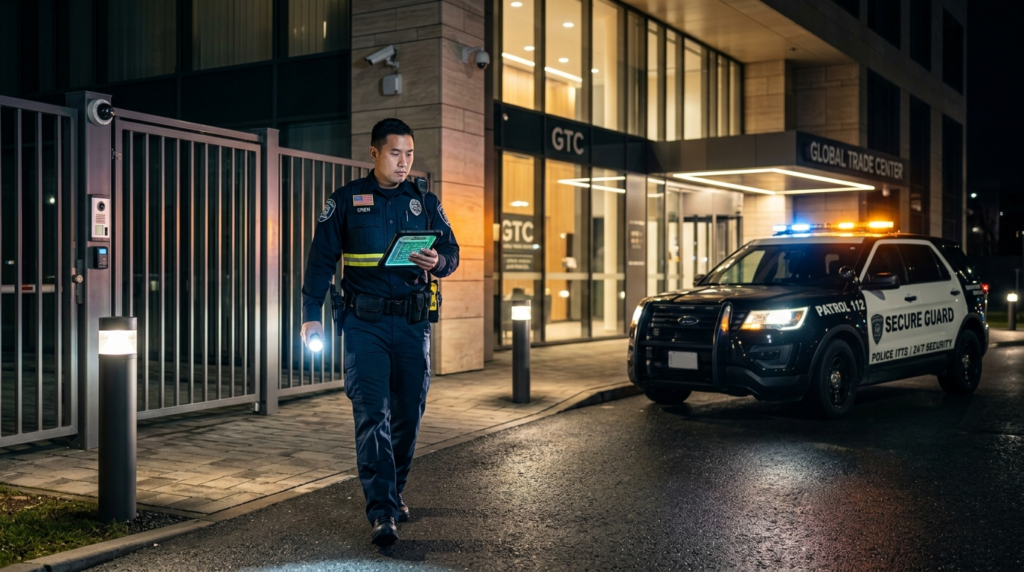
Mobile patrol services take a different approach. Officers cover multiple locations on a scheduled or randomised patrol route, which makes them a cost-effective option for businesses that need coverage across a wider area without the commitment of a full-time on-site guard.
The right security patrol company for your business will be able to assess your specific site and advise honestly on which model fits your needs, rather than defaulting to whichever option carries the higher margin for them.
Patrol Response Time Matters More Than Most Businesses Realise
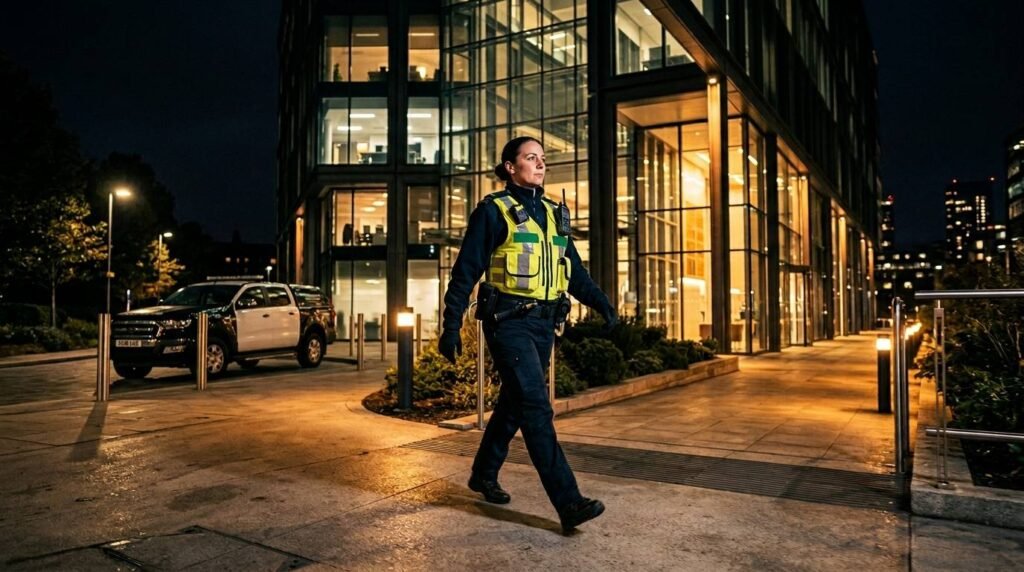
When an alarm triggers at 2 am, the outcome of that incident is directly tied to how quickly a trained officer arrives on site. Patrol response time is one of the most important performance metrics to discuss with any provider before you commit.
A company offering 24-hour security patrols should be able to give you a realistic and contractually backed response time window. Vague assurances are not enough. Ask specifically what the average response time is for your area, and whether that figure is guaranteed or simply a target.
For businesses that need reliable out-of-hours coverage, this is where Key Holding & Alarm Response Services become a practical and essential part of the security arrangement. A company that manages your keys and responds directly to alarm activations removes the burden from you and ensures a trained professional is always the first person on site.
What to Look for in a Security Contract Before You Sign
Many businesses focus heavily on selecting the right security patrol company but give very little attention to the contract itself. That is a mistake that becomes obvious only once a problem arises.
Before signing, look closely at the exit clauses. Understand how much notice you need to give to end the contract, and whether there are financial penalties for doing so. A provider that locks you in with minimal flexibility is not one that is confident in the quality of their ongoing service.
Response time guarantees should also be written into the agreement, not just mentioned verbally during a sales call. If a company is not willing to commit to performance standards in writing, that tells you something important about how confident they are in their own operation.
Review periods matter too. A good contract will include scheduled service reviews where you can formally assess performance and raise concerns. This keeps both parties accountable throughout the contract term.
Officer Vetting and Training Standards Are Not Optional
The reputation of a security company means very little if the individual officers they deploy have not been properly trained and vetted. This is an area where corners get cut more often than most clients realise.
Ask potential providers directly about their vetting process. Background checks, right-to-work verification, and reference checks should all be standard. If a company cannot clearly articulate their vetting standards, that is a problem.
Training standards matter equally. Professional security officers should be trained not just in physical presence and access control, but in conflict management, emergency response, report writing, and first aid. A company that views training as a box-ticking exercise will produce officers who reflect exactly that attitude on site.
Red Flags That Suggest a Provider Is Cutting Corners
Learning how to identify a substandard provider is just as useful as knowing what good looks like. There are several patterns worth watching for during your evaluation process.
Unusually low pricing is often the first indicator. Security is a people-intensive service, and delivering it properly costs money. A company offering significantly lower rates than competitors is almost certainly compensating somewhere, whether in officer pay, training investment, or insurance coverage.
Poor communication during the sales process is another signal. If a company is slow to respond, vague about their credentials, or reluctant to provide references, those habits will not improve once they have your contract.
Lack of transparency around officer assignments is also worth questioning. You should know who is being assigned to your site, what their qualifications are, and who to contact if there is a performance issue. A company that resists that level of visibility is not operating to a professional standard.
Choosing the Right Security Patrol Company for an Office Environment
Office and corporate environments have security requirements that differ from industrial or retail settings. The threat profile is different, the visitor management expectations are different, and the level of discretion required from security personnel tends to be higher.
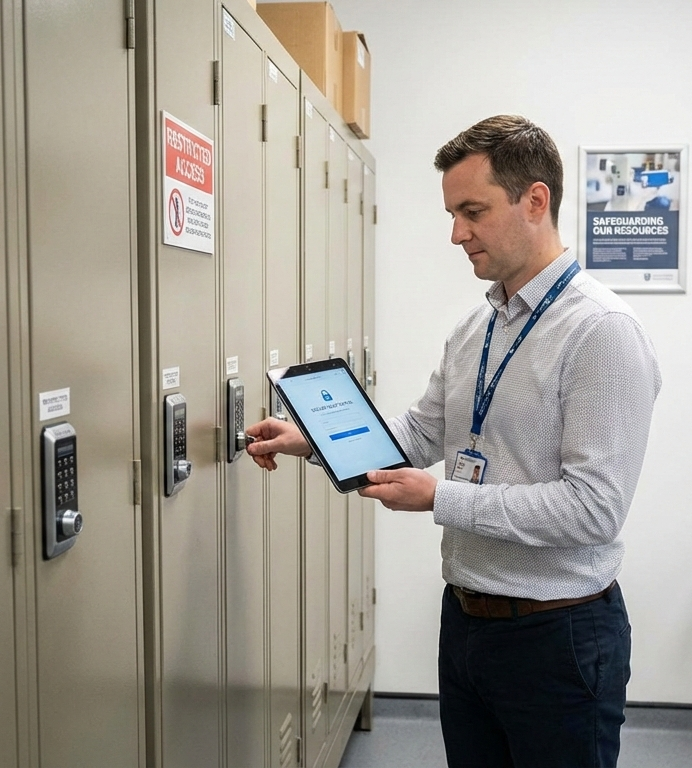
For businesses operating from professional premises, Corporate & Office Security Services should reflect that context. Officers working in office environments need to be presentable, trained in professional communication, and capable of managing access without creating a confrontational atmosphere.
When evaluating providers for an office setting, ask how they train officers specifically for corporate environments and whether they have experience working with businesses of a similar profile to yours.
Building a Long-Term Relationship With the Right Security Patrol Company
Security is not a one-time purchase. The right security patrol company should function as a long-term partner that understands your site, your people, and how your business operates.
The best providers will conduct an initial security risk assessment of your premises and revisit it periodically as your business changes. They will proactively communicate if they identify new risks and take accountability when service issues arise.
Look for a company that treats communication as part of the service. Regular reporting, accessible account management, and a clear escalation process are all indicators of a provider that takes the partnership seriously.
Choosing the right security patrol company is ultimately about trust. The company you select will have access to your premises, your keys, and in some cases, your most sensitive areas. That level of access requires a provider that has earned it through transparent credentials, proven performance, and a professional standard of service that holds up day in and day out.
FAQs
What should I look for when hiring a security patrol company?
Look for SIA accreditation, verifiable officer training and vetting standards, clear contract terms, and a documented response time record. A reputable company will always be transparent about its licensing, service coverage, and how they handle performance issues.
How do I know if a security company is properly licensed in the UK?
You can verify any security company or officer licence directly on the SIA public register available on their official website. Always check this before signing a contract rather than taking a company’s word for it.
What is the difference between static security and mobile patrols?
Static security places an officer at a fixed point on your premises for a full shift, while mobile patrols cover multiple locations on a rotating schedule. The right option depends on the size of your site, the level of risk, and your budget.
What response time should I expect from an alarm response company?
A professional alarm response company should aim to reach your premises within 20 to 45 minutes of activation, depending on your location. Response time commitments should always be confirmed in writing as part of your service contract.